Teague · The Museum of Flight
Exhibit Direction: Setting direction for an immersive exhibit museum teams could make their own.
The challenge
The Museum of Flight wanted an immersive, interactive exhibit on space stations, timed to Skylab’s 50th anniversary. The open question was what it should really be about. Space station history is easy to tell as a series of engineering milestones, but the museum wanted to go “beyond the STEM of it,” as its curator put it, so guests would leave understanding why humans have invested so much in living off the planet.
My role
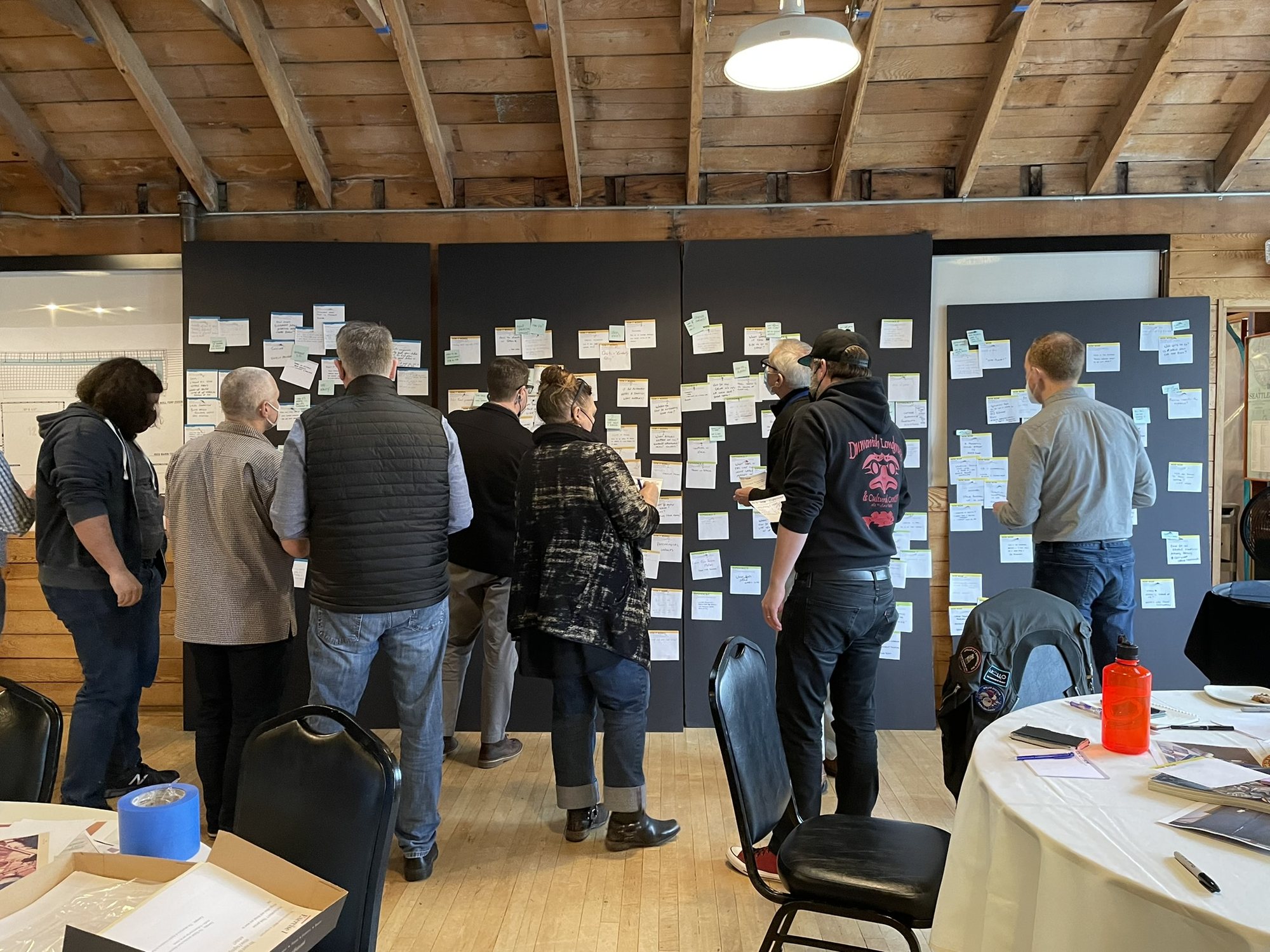
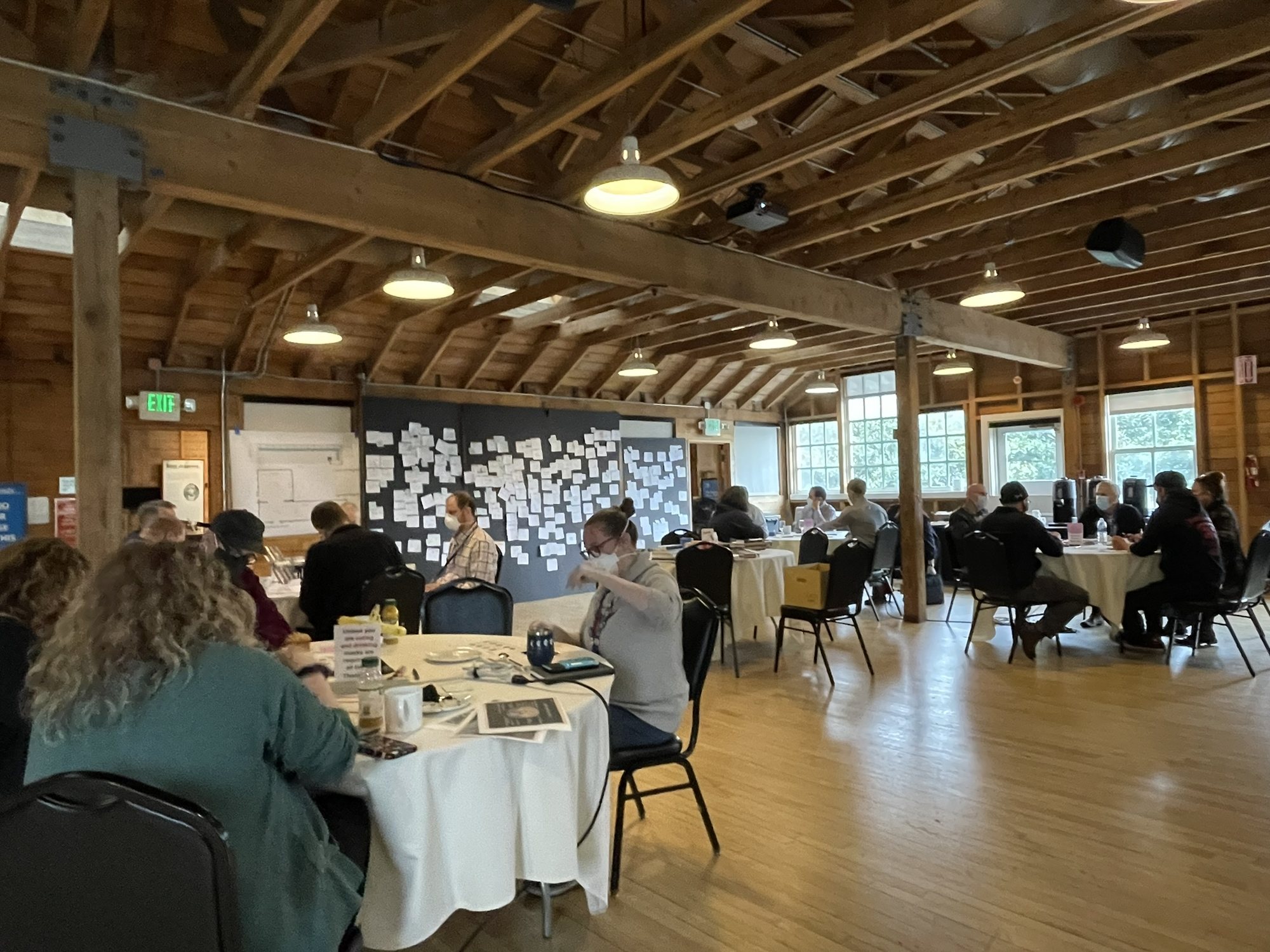
I led a small Teague team whose job was to help the museum answer that question. We started with museum stakeholders to understand their goals and collection, then held a half-day workshop in the Red Barn, Boeing’s original factory and the exhibit’s future home, with about 20 people from across the museum, including the creative and build teams who would own the work, along with local space industry leaders. I structured the session and facilitated it around three questions: what the exhibit should say, who it was for, and how to make it immersive. Guest personas, from the space devotee to the skeptic to the reluctant “tag along,” kept every idea tied to a real person walking through the door.
Thinking
Together, we arrived at a direction that shifted the story from what space stations are to the people who live on them: what they do, why they’re there, and what life in space is like, from the first stations to the ones still to come. We shaped it into three guest stories, design priorities for the exhibit, and sketches of moments the museum could build on.
Impact
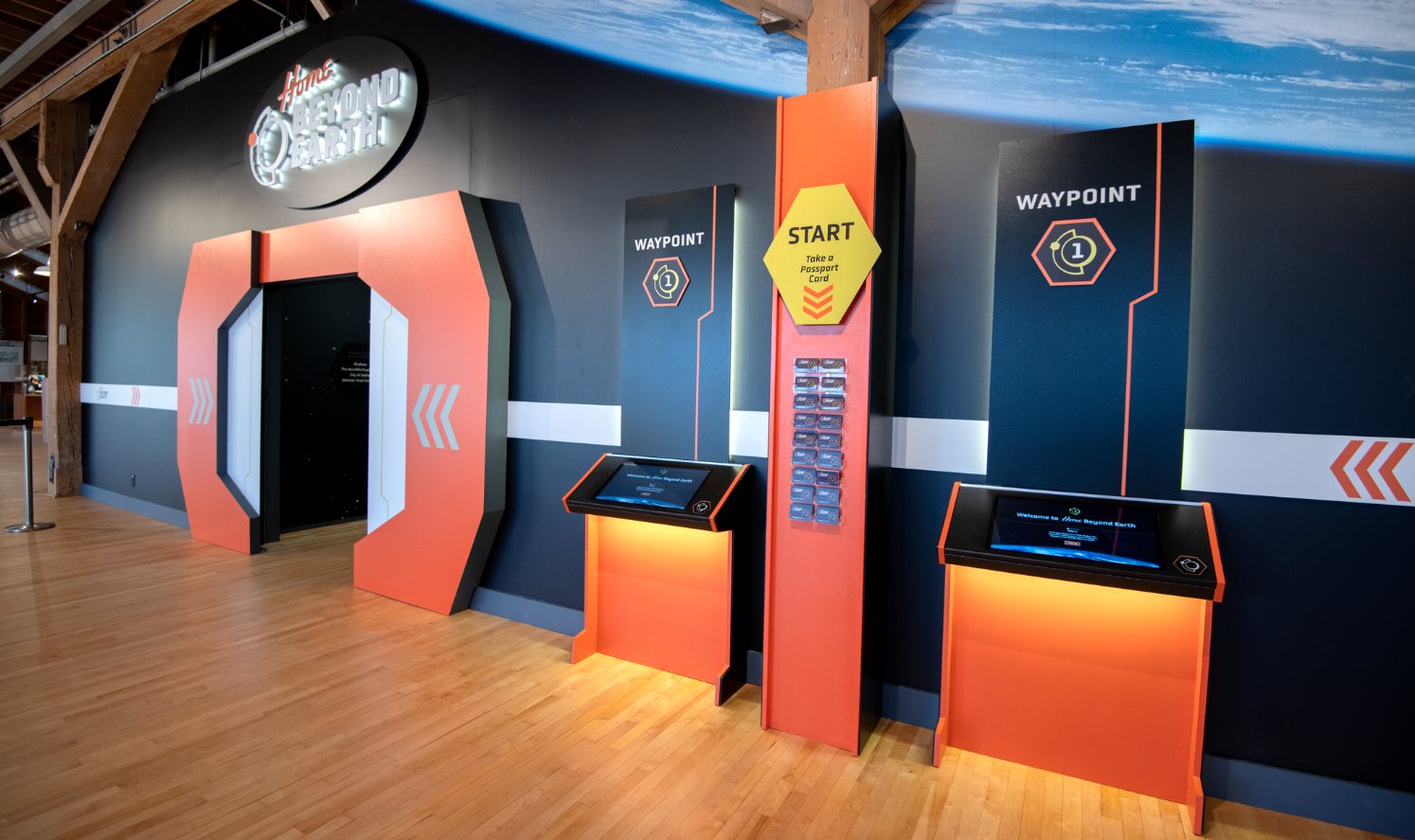
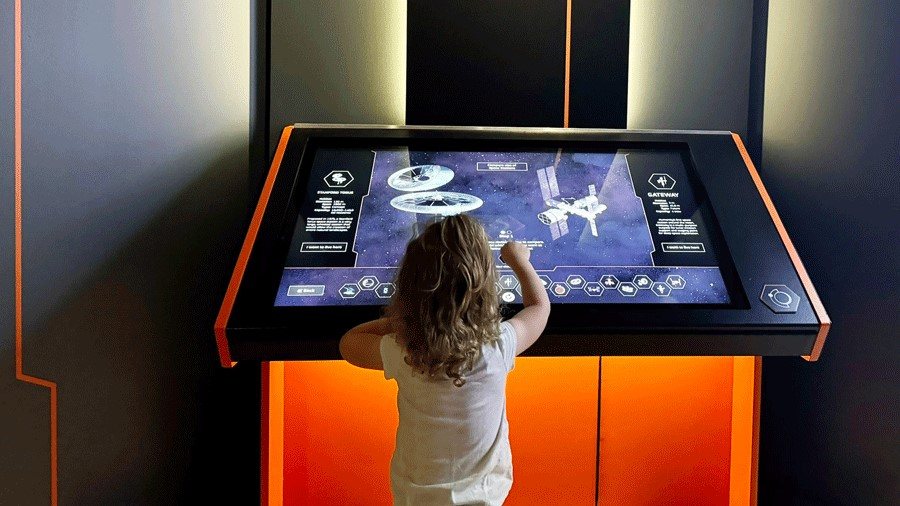
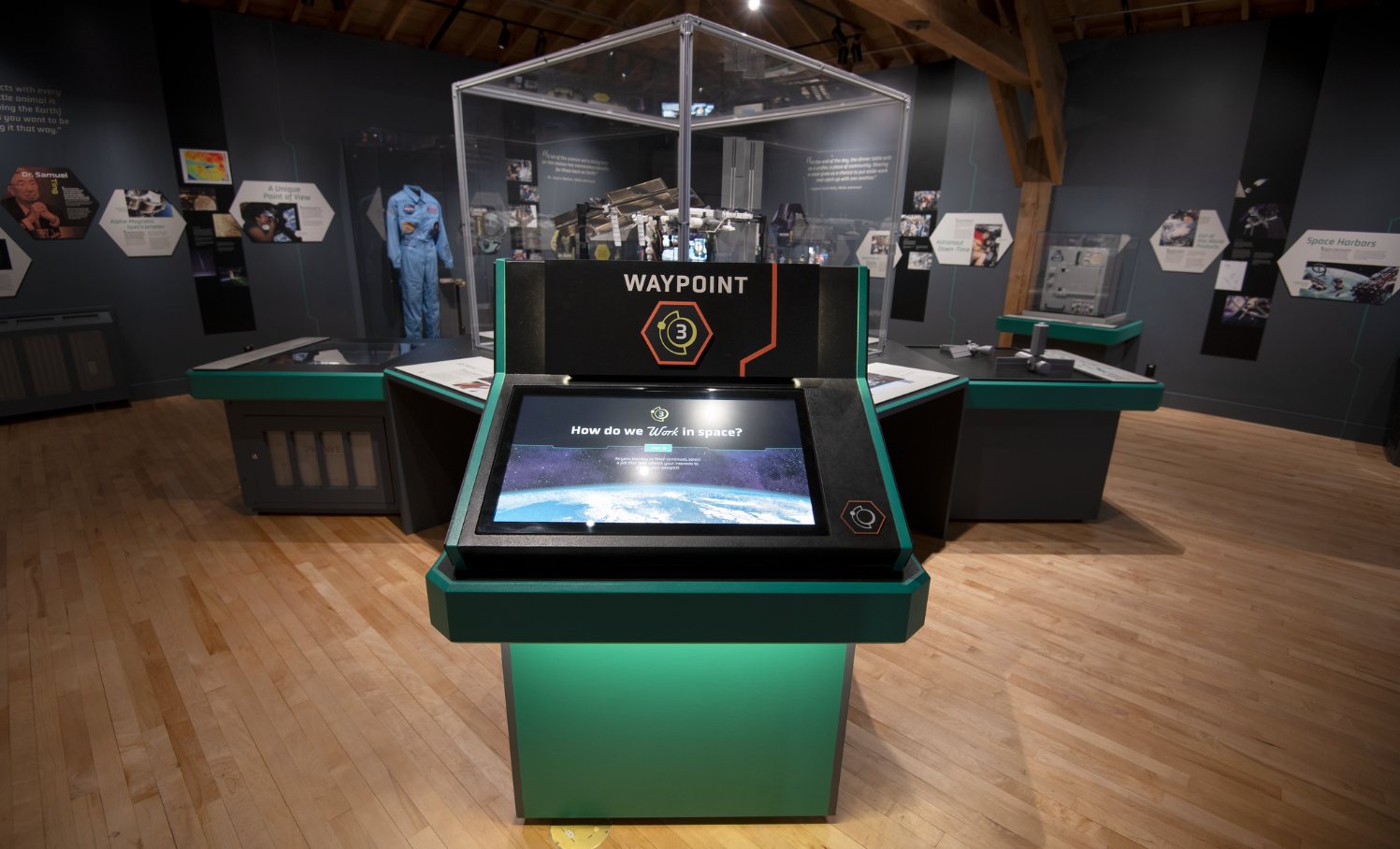
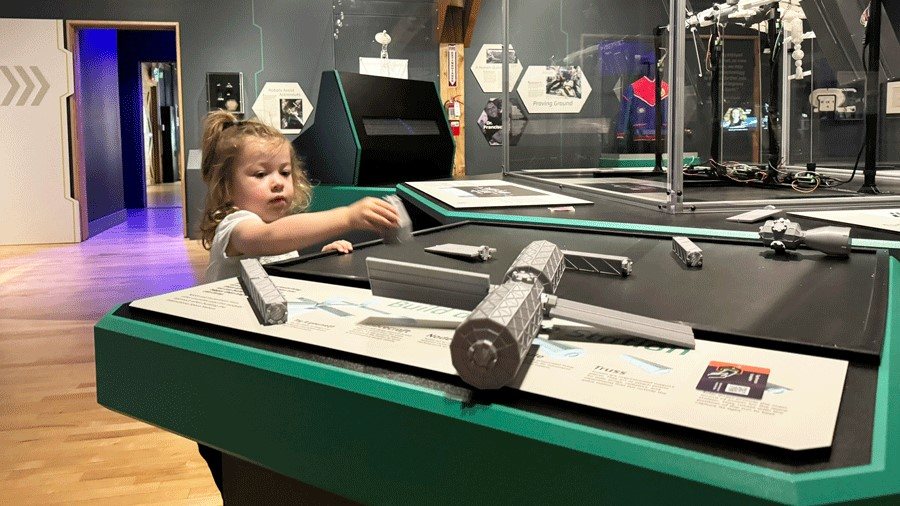
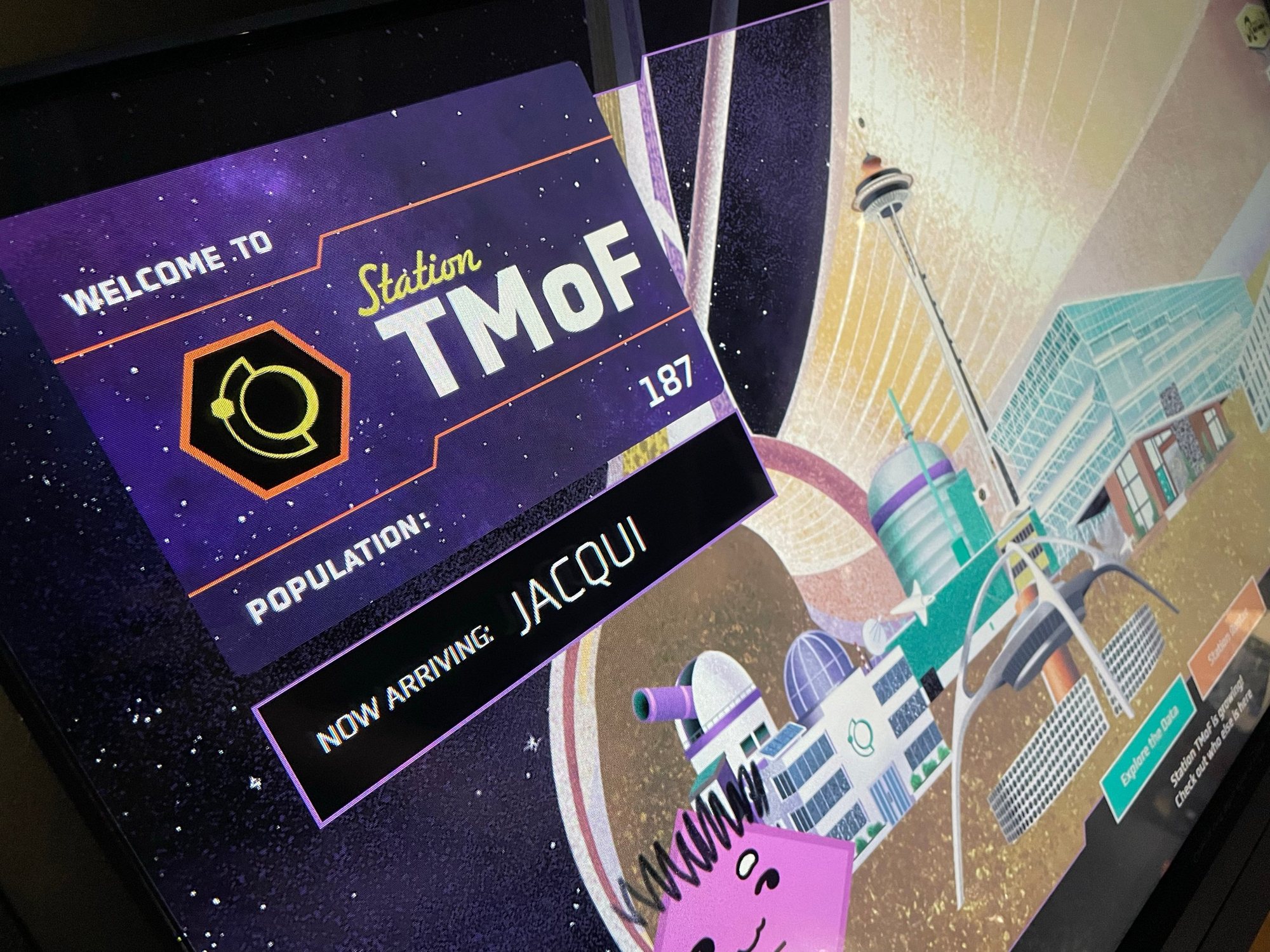
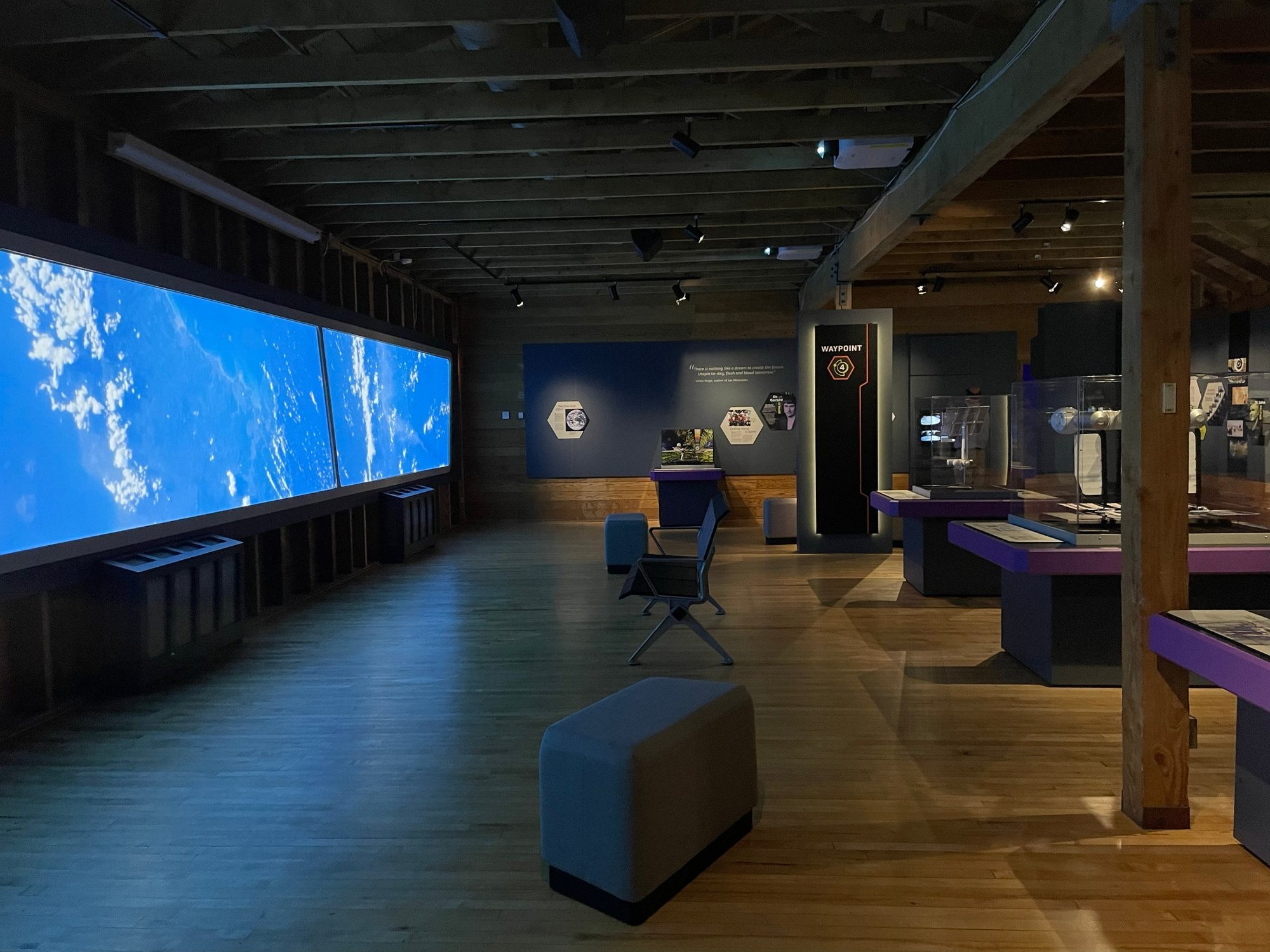
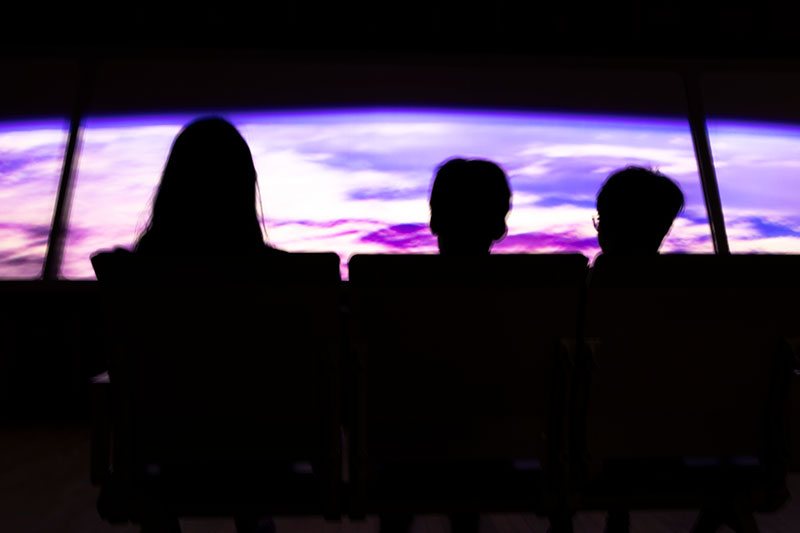
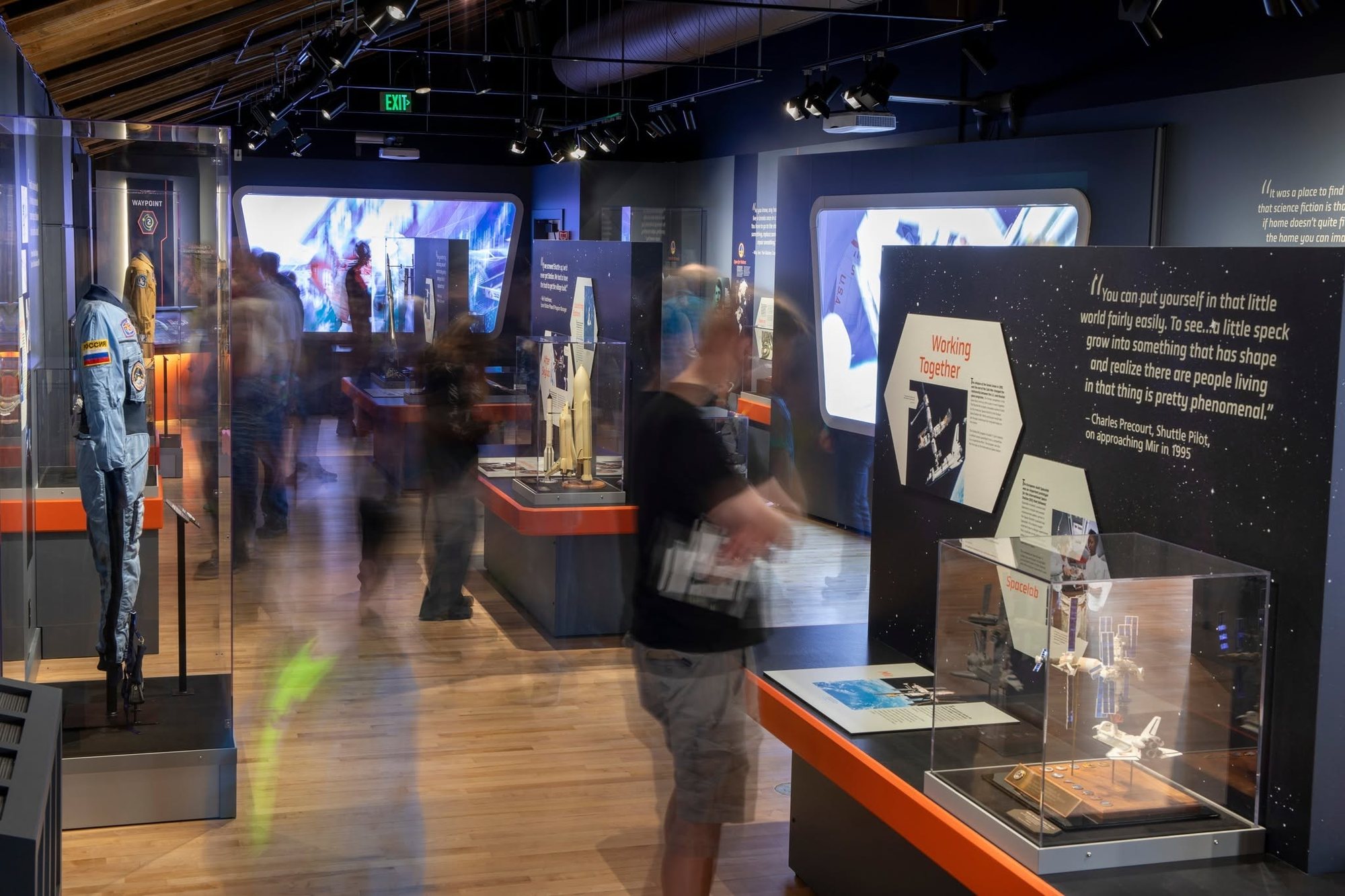
The museum built the exhibit as Home Beyond Earth, with that human story at its center. Several of our sketched moments came to life: a 42-foot view of Earth that shifts your sense of scale, a table of 3D-printed modules for building your own station, and a passport game for imagining your own life in space, which one reviewer called the exhibit’s crown jewel. It became one of the museum’s most popular attractions, with guests not just observing but becoming part of the story. I later served as an expert reviewer of its script.