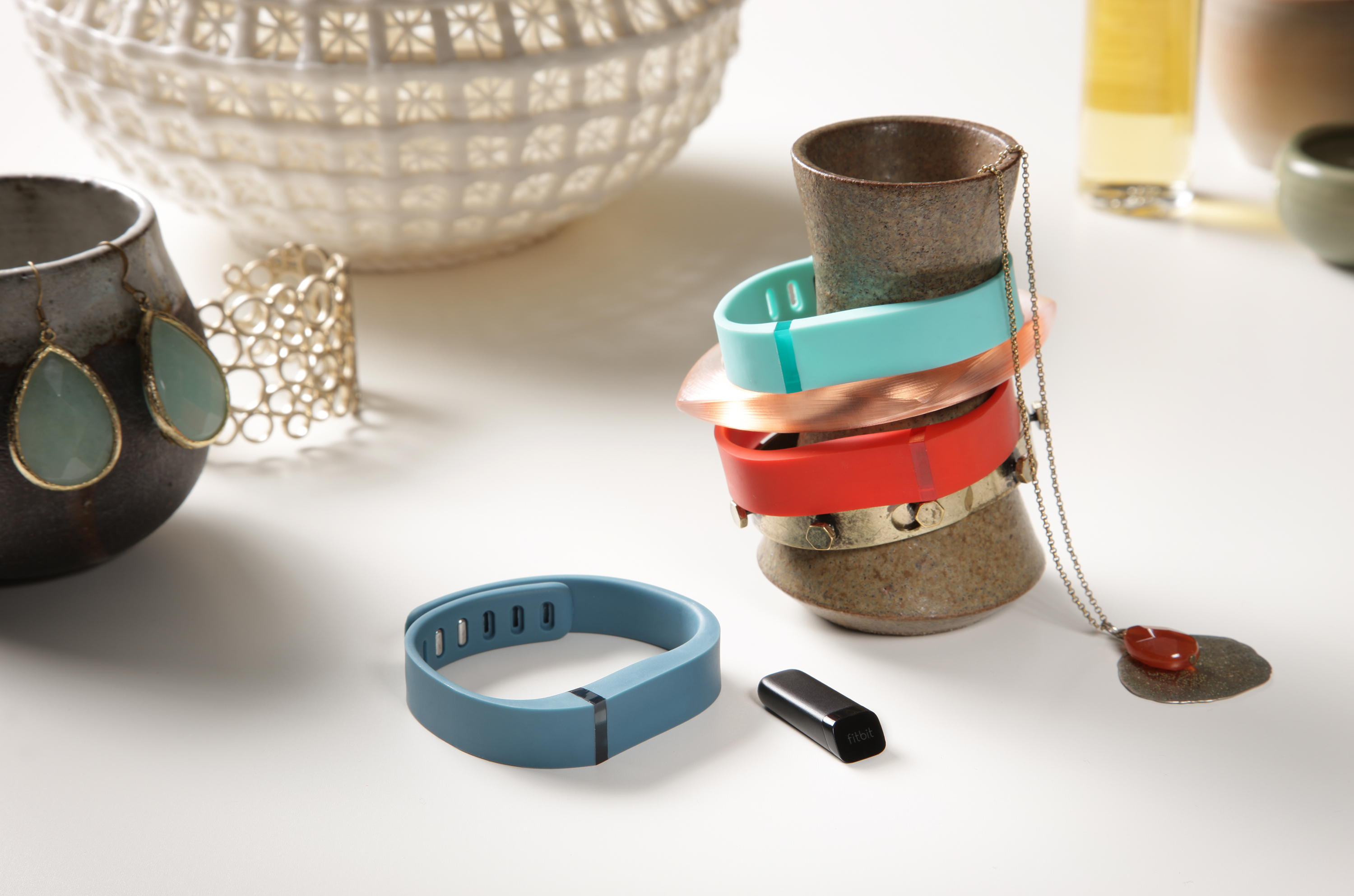
Fitbit Wearables
Before “wearable” was a category, trackers were clunky clip-ons made for the gym. Fitbit needed one people would want to wear all day, from a morning run to an evening out.
Team: Core team of 2 designers and a CMF specialist
Partners: Fitbit leadership, engineering, and marketing
Fitbit’s first wrist-worn tracker, and the product family that helped make it the leader in wearables.
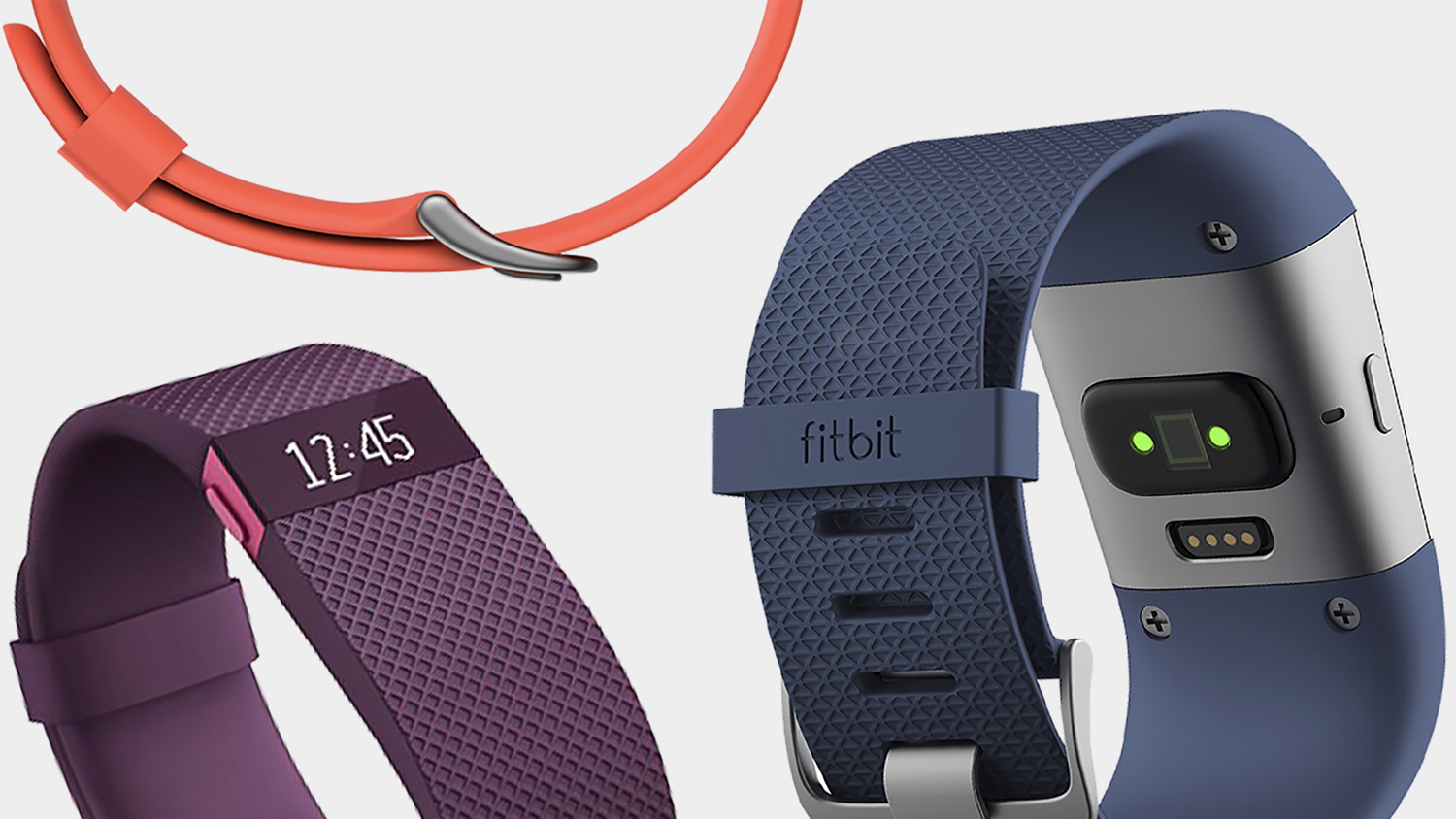
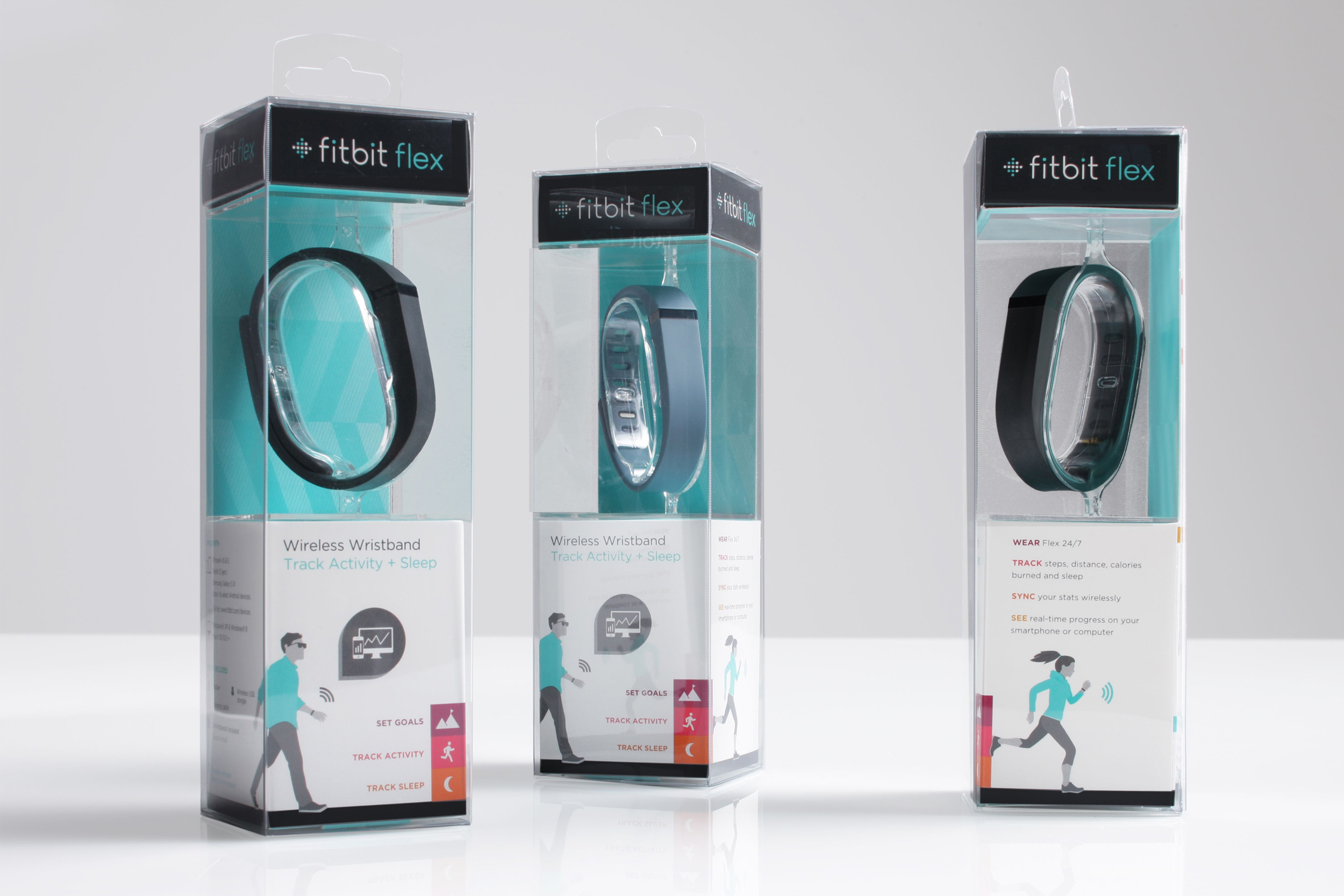
New Deal Design partnered with Fitbit for more than a decade, from its early trackers through its $2.5 billion IPO and more than 75 million devices sold. I led design on Fitbit’s first wrist-worn tracker, the Flex, and the Charge and Surge lines that followed, working alongside Fitbit’s engineers through production and sweating the details from first models to final samples.
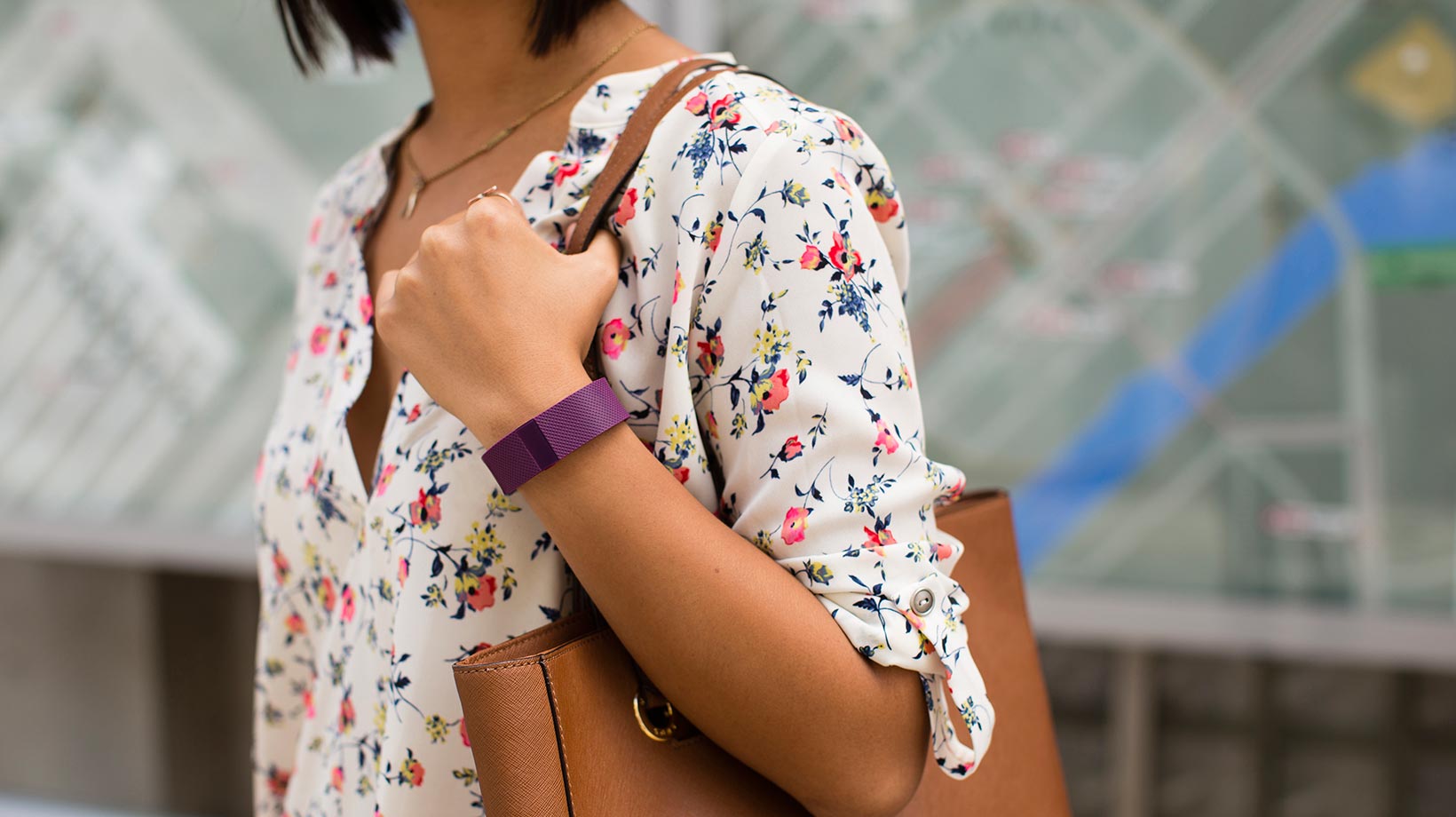
These products earned numerous design awards and brought activity tracking into everyday life. Their soft, approachable character carried into the product lines that followed, and it still sets Fitbit apart from more technical wearables. I loved seeing them out in the world: on strangers’ wrists, on friends who had no idea I’d helped design them, and even in the Oval Office.
Leading the design, and the team behind it, from first concept through production.
With a core team of 2 designers and a CMF specialist working across product lines and overlapping workstreams, I gave design feedback and ran internal critiques that pulled concepts into one direction, bringing in more designers when the work called for it. I then shaped that work into presentations and working sessions with Fitbit’s leadership.
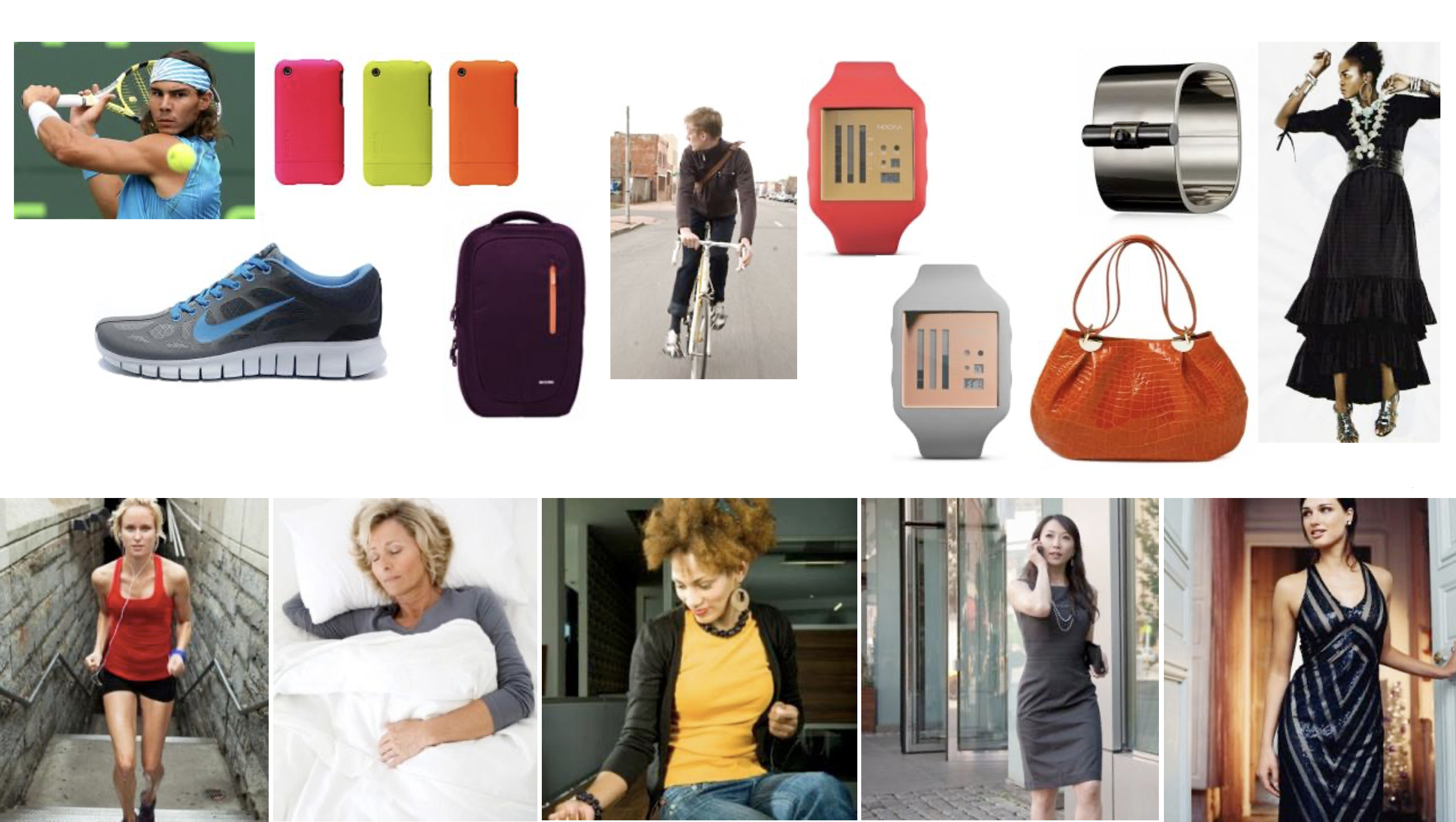
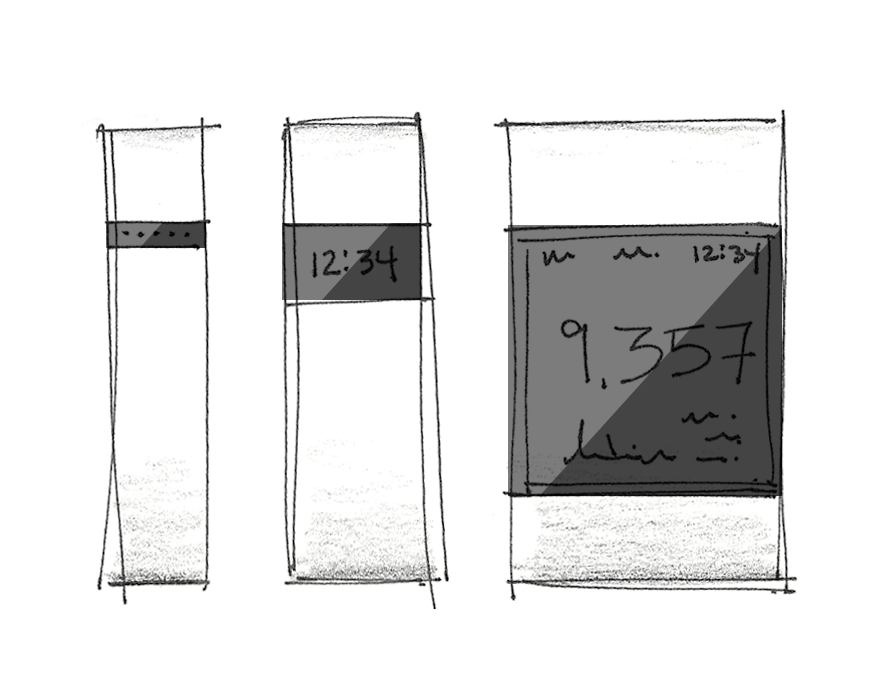
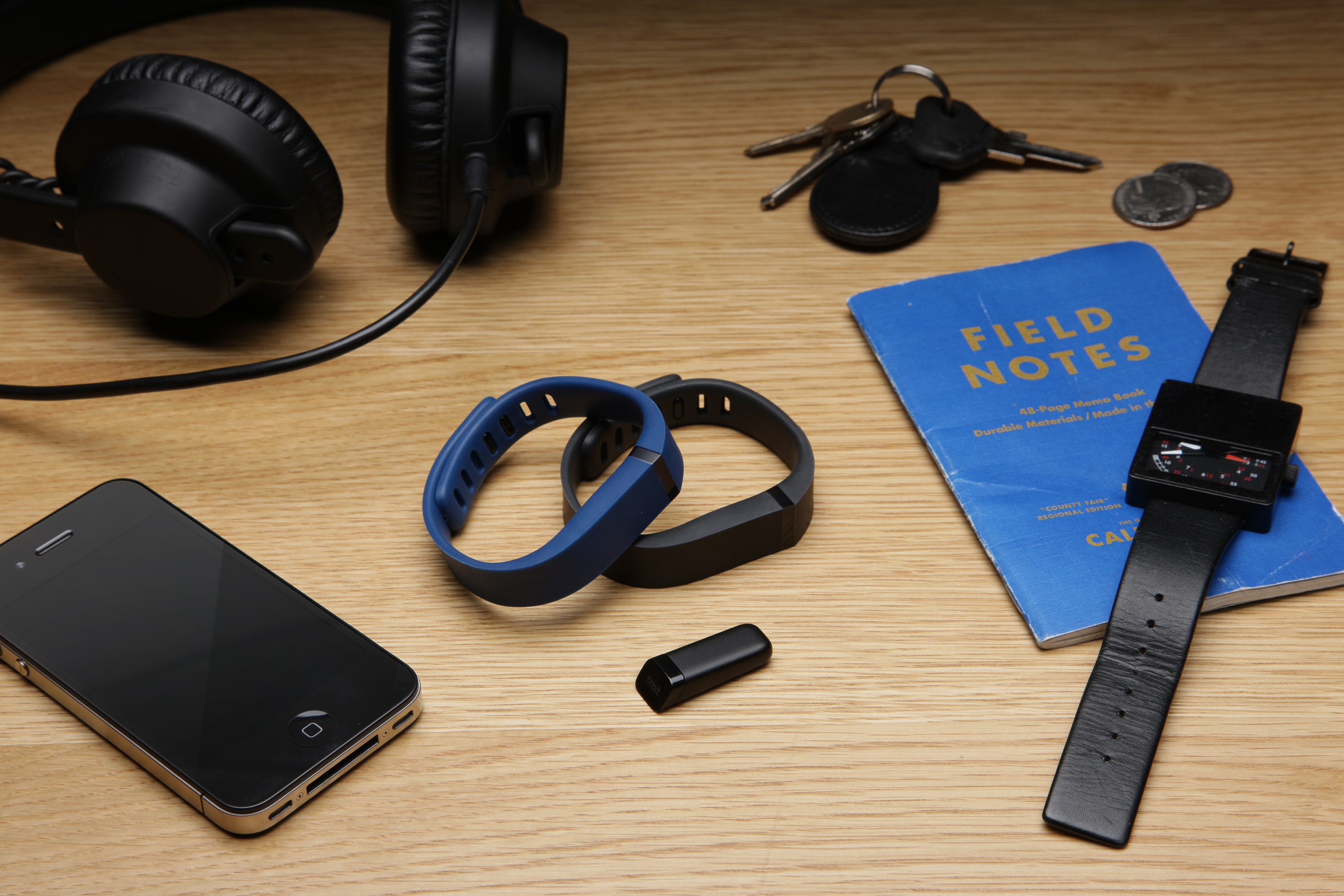
Positioned for everyday life. We positioned the Flex around wellness, meant to be worn 24/7, through sleep, showers and evenings out. Fitbit’s leadership chose my concept, which translated that positioning into a form that felt clean and forward-looking, yet soft and approachable. It also set the critical dimensions: narrow enough to sit beside a man’s watch and short enough for a small woman’s wrist, which gave the band its signature taper.
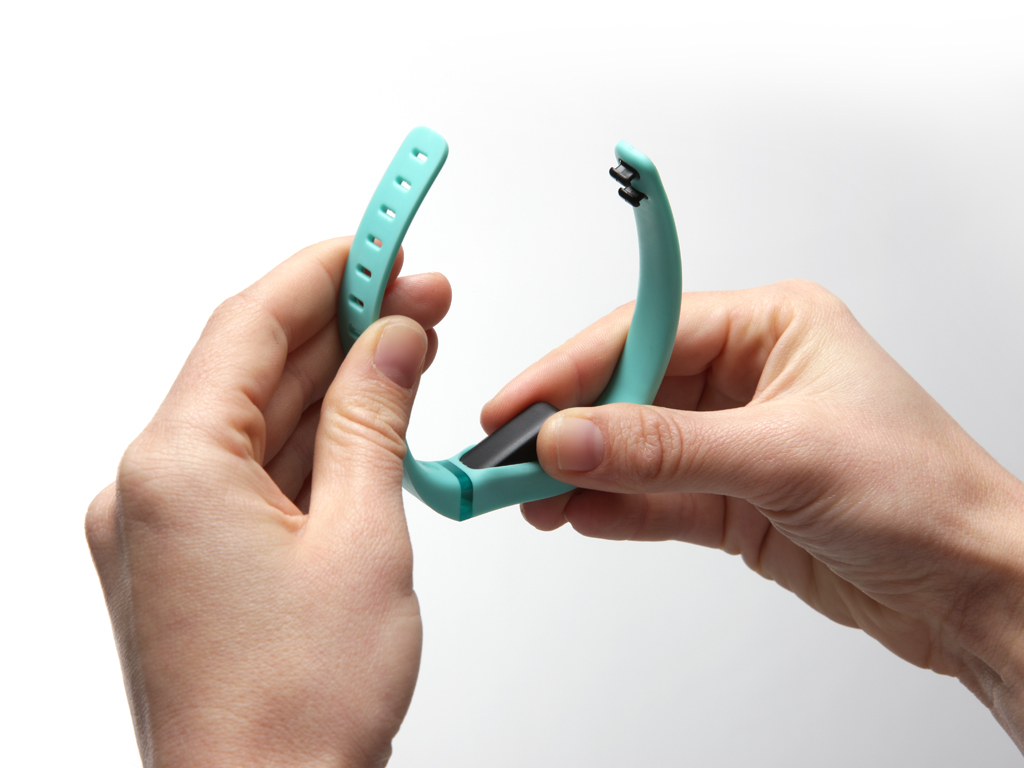
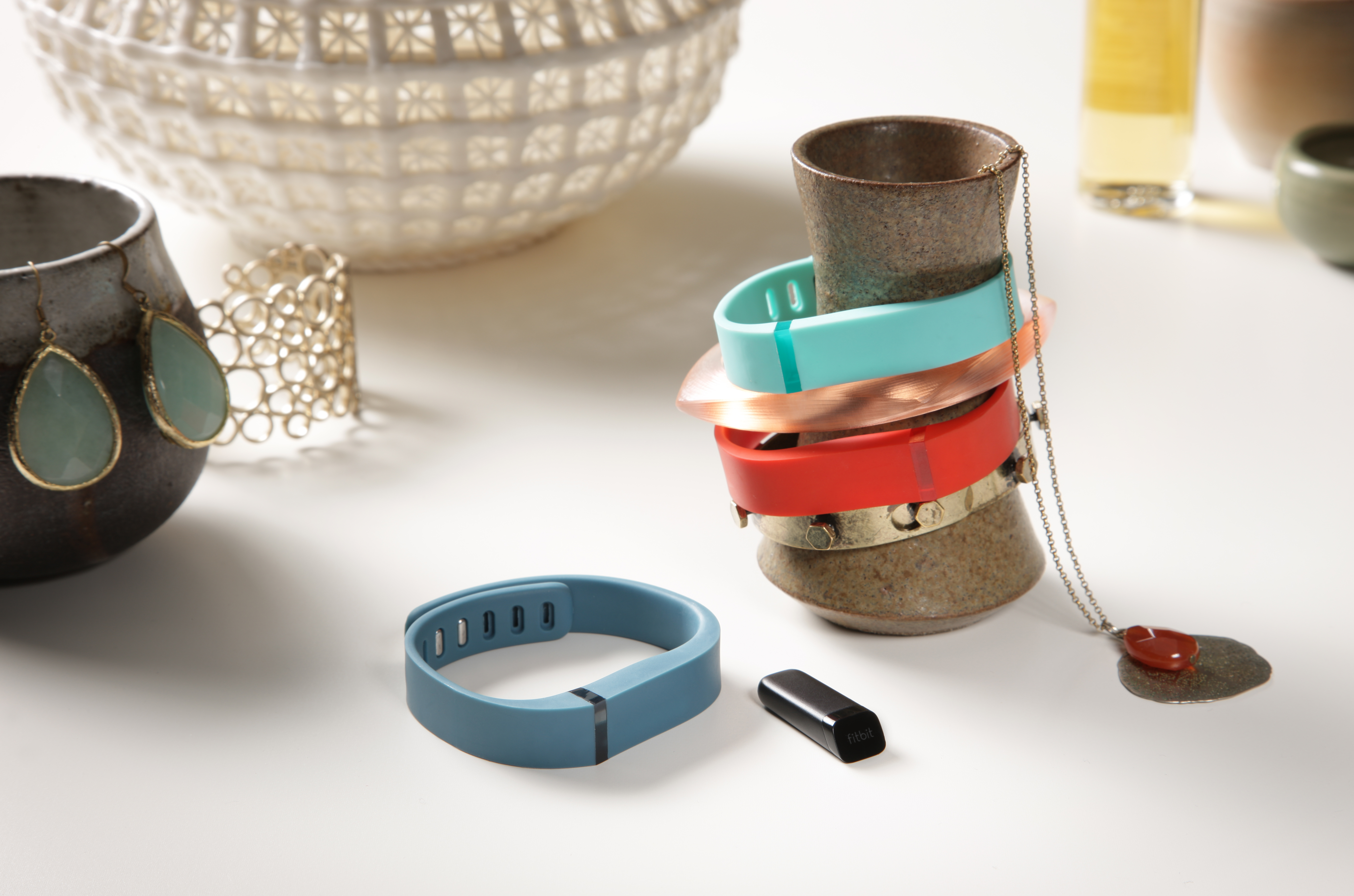
Built smart for the mass market. Putting the electronics in a small, removable pebble separated the technology from the part people wear, so one core device could ship in multiple sizes and colors, easing inventory and improving yield. To hit price and size targets, we chose a simple, secure clasp over premium or bespoke closures, and recommended changes from the PCB stack to battery volume to slim the profile. Ergonomic studies set band lengths and how many sizes to offer.
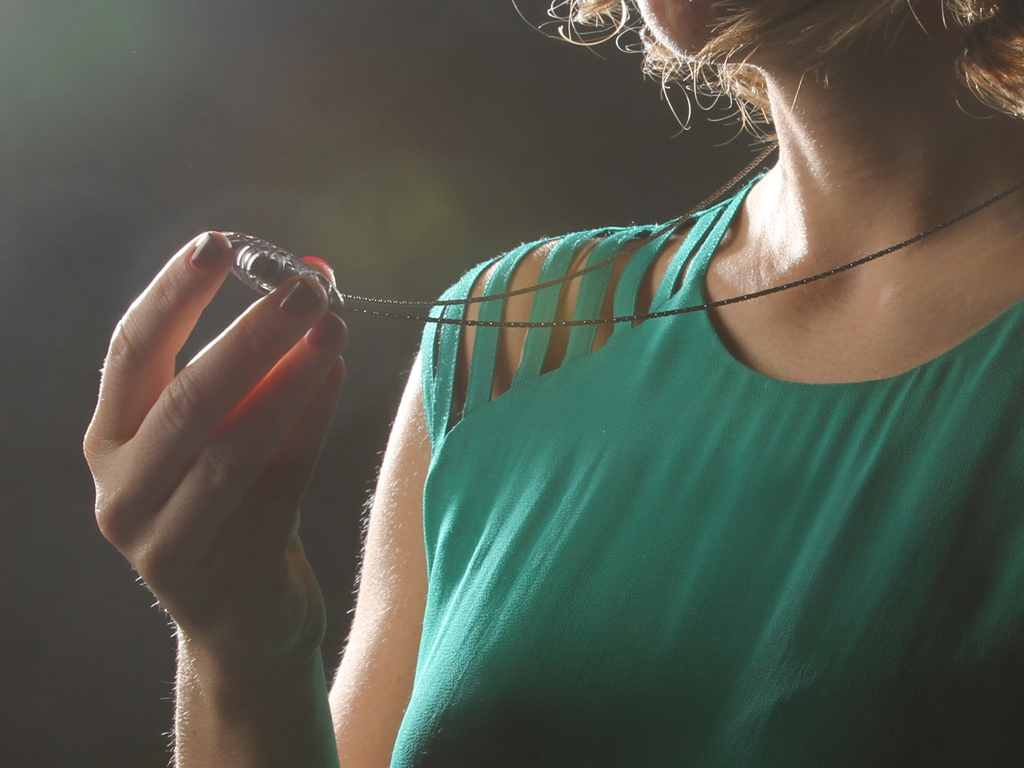
Designed a system, not just a product. The design language scaled from Flex to Charge and Surge, across entry-level to premium tiers, so the whole line read as one brand. The pebble also made the band a platform for accessories, including jewelry-style pieces we explored early, an idea Fitbit later brought to market.