New Deal Design
Fitbit Wearables: Designing the product family that helped define the wearables category.
The challenge
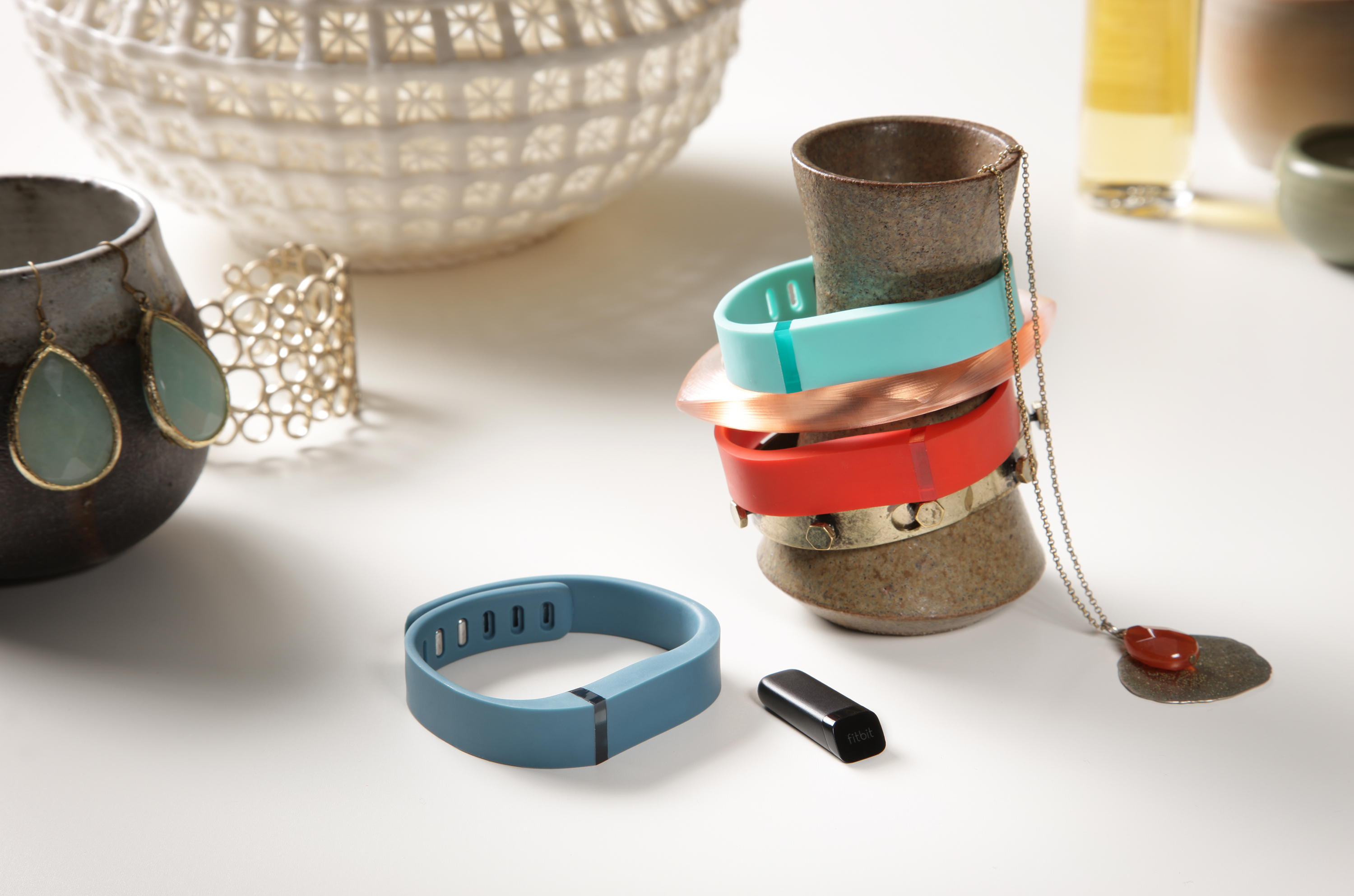
When this work began, “wearable” wasn’t a category yet. Trackers were clunky clip-ons made for the gym or a weight-loss program. Fitbit, then a fast-growing startup, needed its first wrist-worn product to be one people would want to wear all the time: on a morning run, out to dinner, and to bed.
My role
As Design Manager at New Deal Design, I led design for Fitbit’s first wrist-worn tracker, the Flex, and the Charge and Surge lines that followed. I led a core team of two designers and a CMF specialist across overlapping product lines, balancing my own concept work with feedback and mentoring, and brought in more designers when the work called for it. I ran the critiques that pulled concepts into one direction. The work spanned positioning, form, CMF, ergonomics, packaging and design language. I shaped it into presentations and working sessions with the client’s leadership, and worked alongside their engineers, sweating the details from first models to final samples.
Thinking
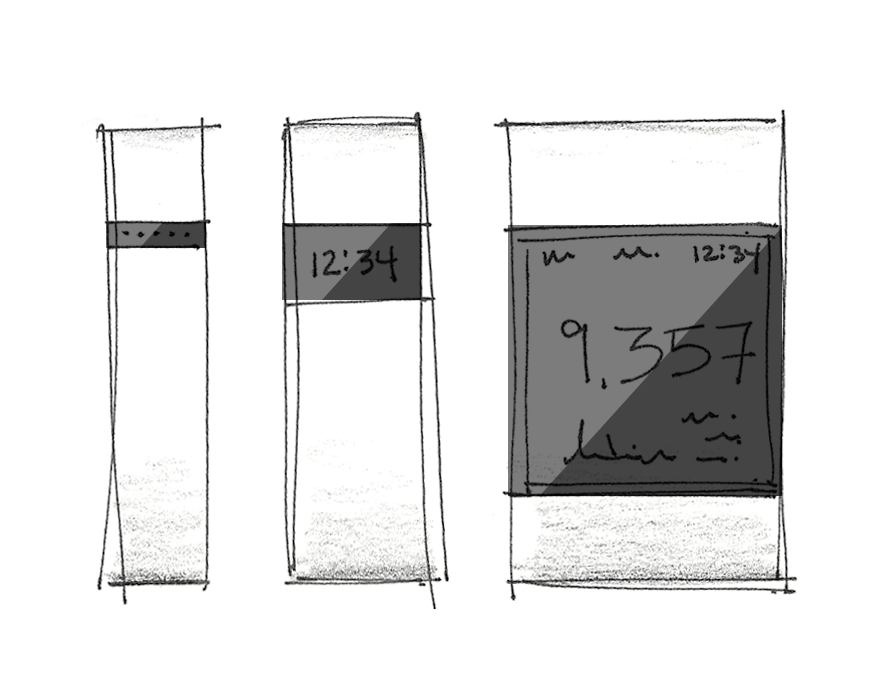
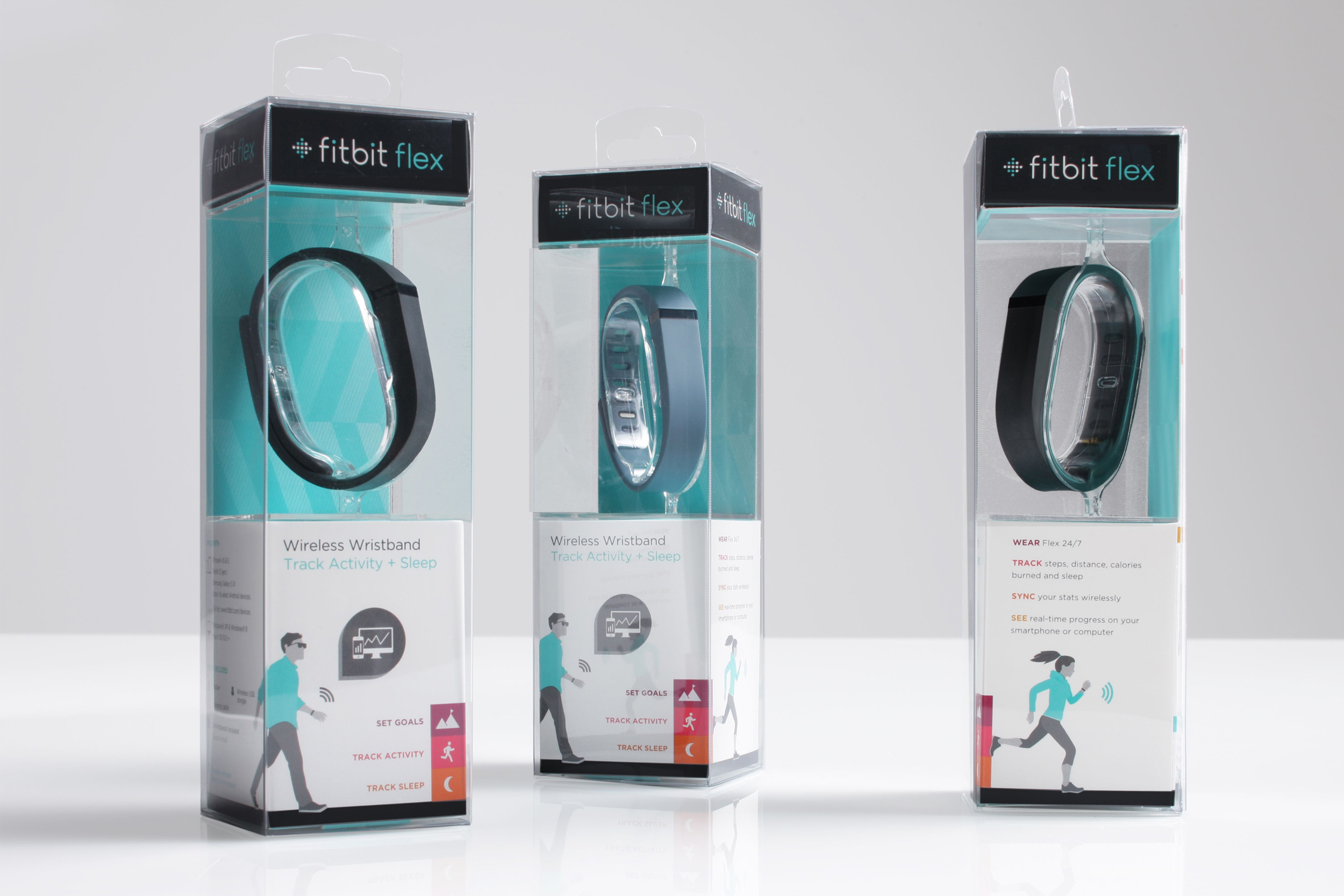
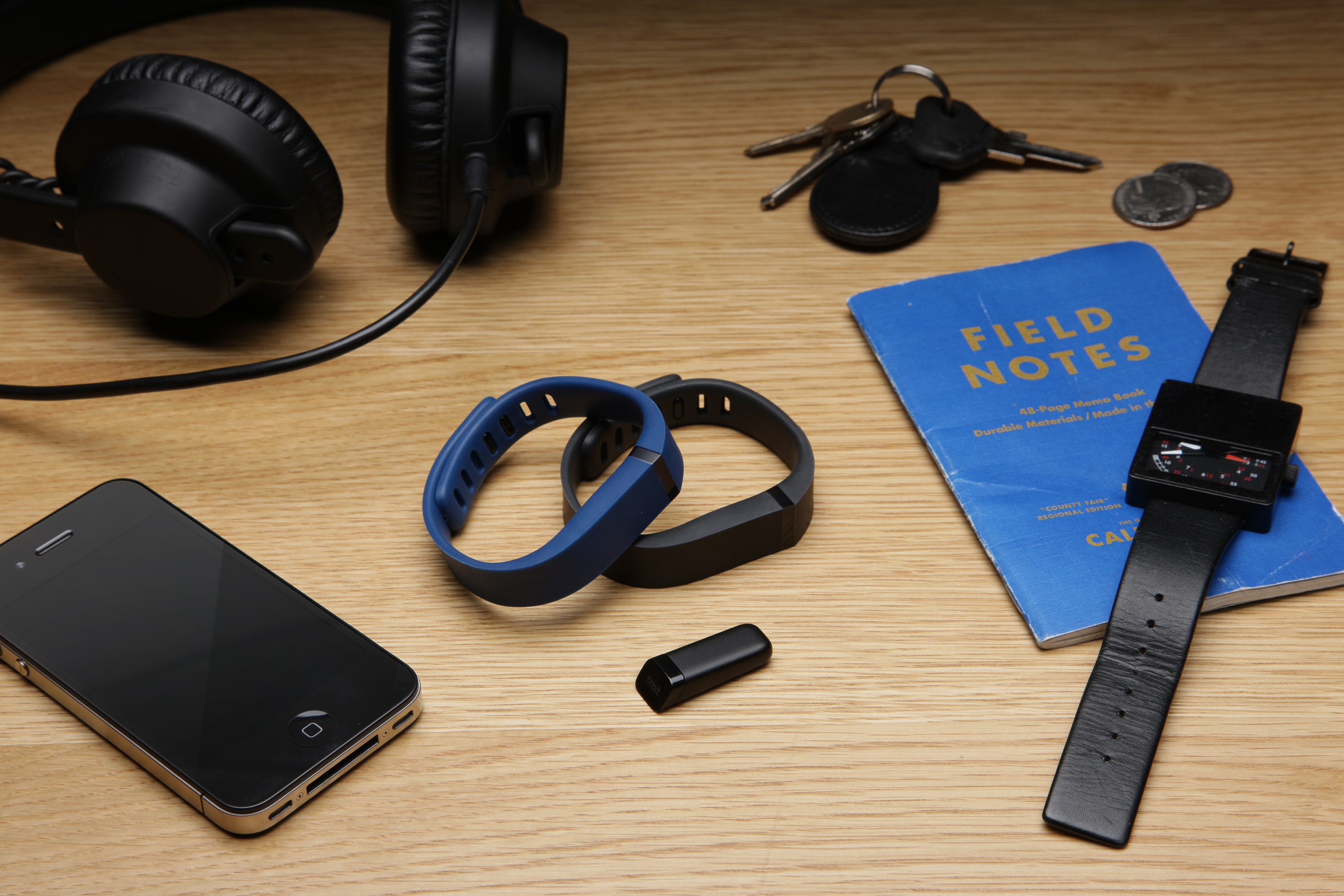
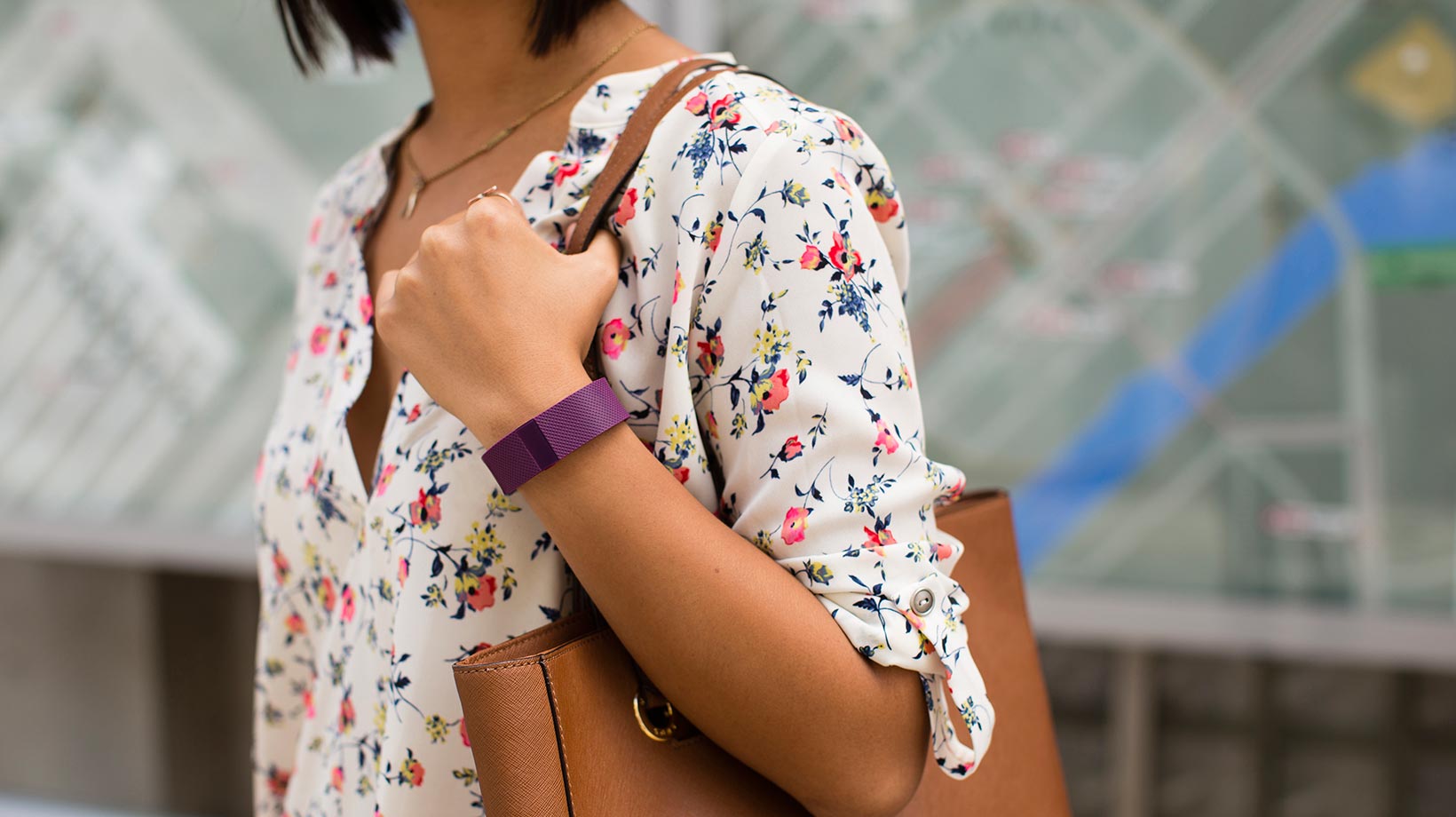
The company already knew how to track activity. The real design problem was a device that fit seamlessly into everyday life so people never took it off. That started with product architecture: a small, removable pebble separated the technology from the part people wear, so one core device could pair with wristbands in many sizes and colors, and eventually with accessories. For the form, leadership chose my concept for the Flex: clean and forward-looking, yet soft and approachable, narrow enough to sit beside a man’s watch and short enough for a small woman’s wrist, which gave the band its signature taper. And reaching the mass market meant restraint: a simple, secure clasp over premium or bespoke closures, and recommended changes from the PCB stack to battery volume to slim the profile.
Impact
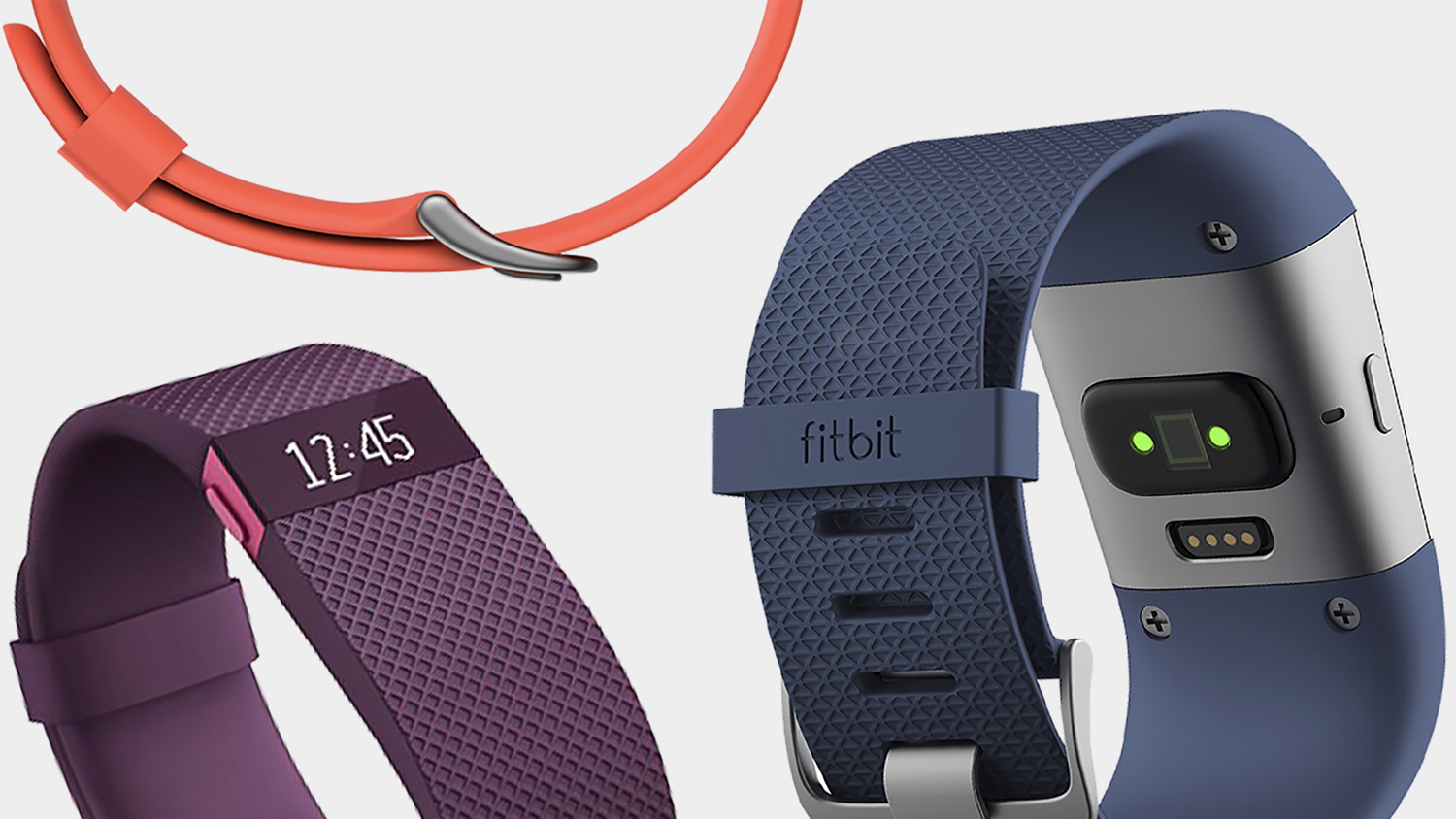
The Flex, Charge and Surge sold millions of units and earned numerous design awards, including Red Dot and IDEA. The pebble architecture eased inventory and improved yield, and jewelry-style accessories we explored early were later brought to market. The design language scaled from entry-level to premium, so the whole line read as one brand. These lines were part of New Deal Design’s decade-long partnership with Fitbit, from its early trackers through its $2.5 billion IPO and more than 75 million devices sold.
Reflection
I loved moving ideas from sketch to reality, and then seeing them in the world, on strangers’ wrists, on friends who had no idea I’d designed them, even in the Oval Office.