Teague
Commercial Space: Shaping the human experience of next-gen space environments.
The challenge
Private companies are building the orbital platforms that will follow the ISS. They’re not just labs but places to live, work and visit, for a wider range of people and purposes than ever before. But when programs move fast on ambitious schedules, with decisions locked before the full picture is known, the crew experience risks being designed around instead of designed for.
My role
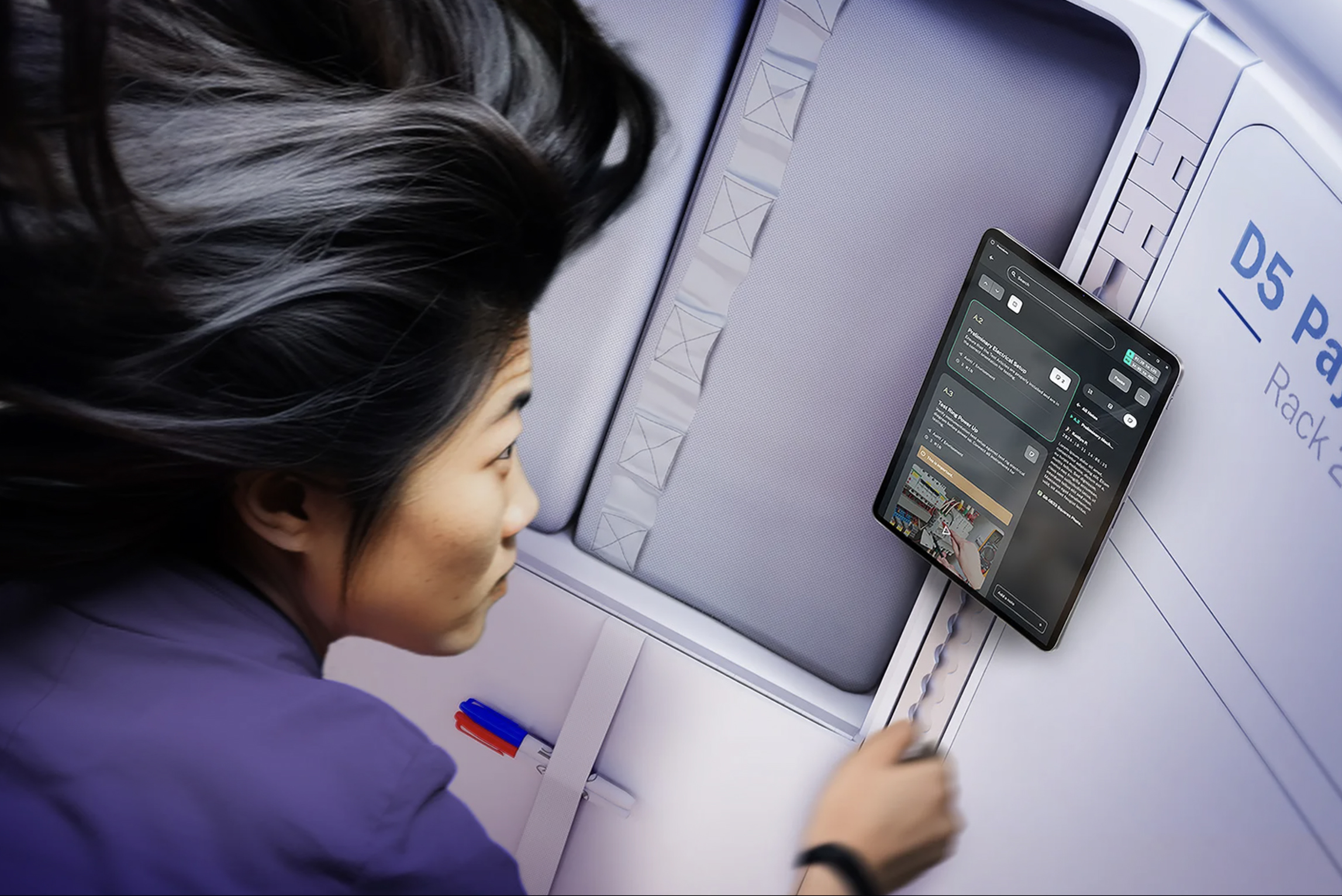
As Creative Director for Teague’s human spaceflight work, I led design direction across commercial space programs. The work spanned primary crew areas and interfaces, plus human-in-the-loop evaluation of early configurations and the recommendations that followed. With project leads, I set each program’s positioning, vision, principles and design language. I led parallel workstreams of specialists across industrial design, human factors, CMF, mechanical design and visualization, working alongside client teams.
With so much in motion, the role was as much about leading the program and team as directing the design: staffing each phase to people’s strengths, building frameworks that made tradeoffs visible, defining who owned what, and setting a review cadence that kept everyone in sync. It also meant crafting the story for every audience: a vision leadership could back, detail working teams could build from, and findings ready for NASA review, with opportunities visualized so recommendations connected to real impact.
Thinking
Designing for new crews and objectives was demanding, but the harder work was getting every team moving in the same direction without losing the vision along the way. My focus was putting the crew experience at the center of what was being built and making the case for it at every level, with the evidence to hold it when tradeoffs got hard.
Impact
Programs could commit early to a human experience worth building. The direction carried from principles through design intent, giving every team a common basis for decisions. Recommendations were delivered for a critical NASA review on an accelerated timeline, and the work helped grow Teague’s space practice.
Reflection
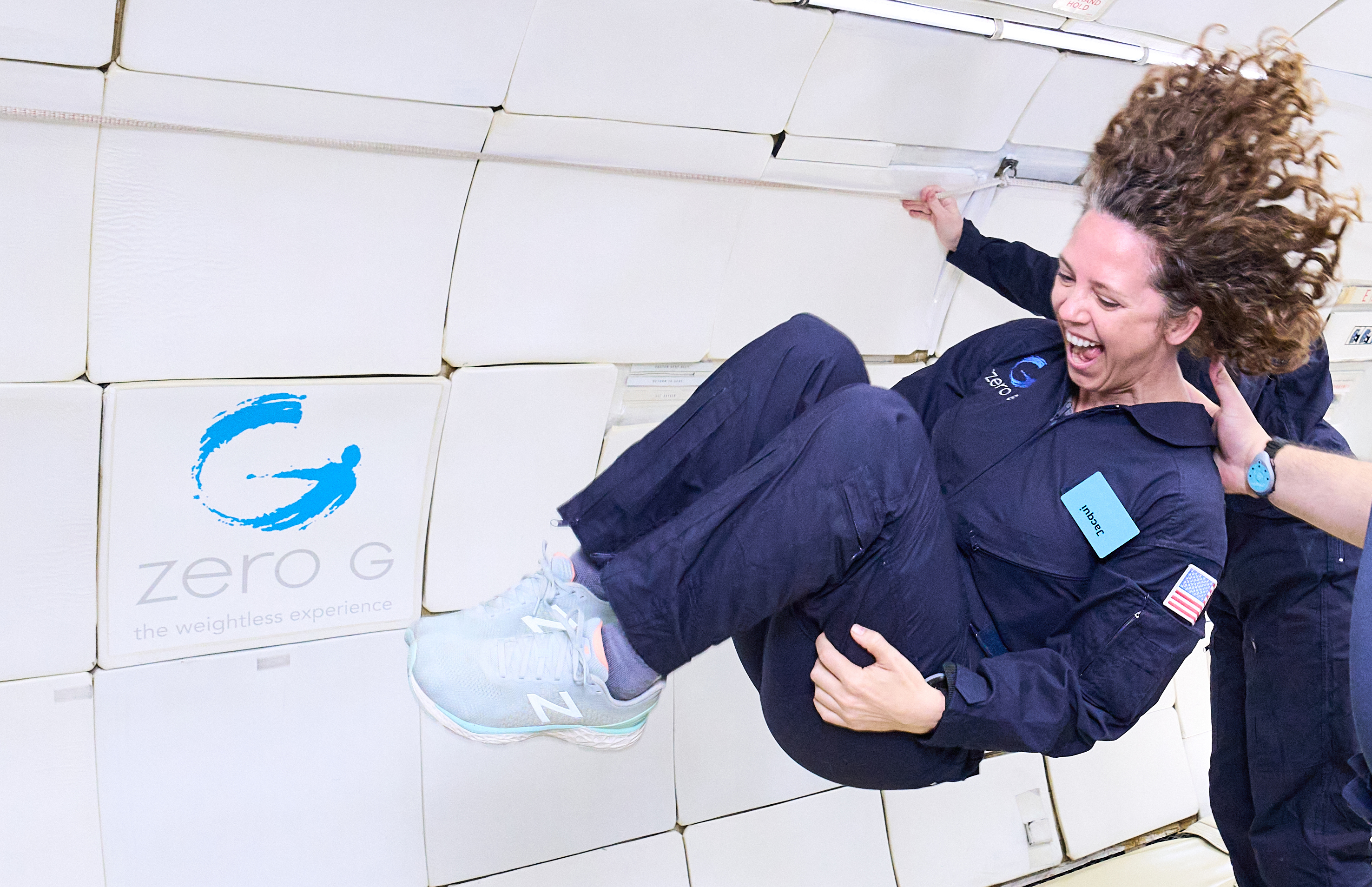
Experience is a competitive advantage in commercial space, and one of the hardest things to integrate. Flying in microgravity myself gave me an embodied understanding that what feels intuitive on Earth doesn’t always translate to orbit. There’s still a lot of work ahead to make life off Earth feel natural, and it starts with breaking our 1g biases and designing for the native properties of microgravity.
Much of this work is confidential. You can find some of my thinking on Teague’s website, and I’m happy to walk through my approach in conversation.
Further thinking
Who goes to space is changing faster than how we design for them. I explored what that means in AIAA’s first space architecture decadal survey. Read the case study →